|
|
| نام تجاری: | Chemfine |
| شماره مدل: | CFI |
| مقدار تولیدی: | 1000 کیلوگرم |
| قیمت: | US $4.0 - 10.0 / Kilogram |
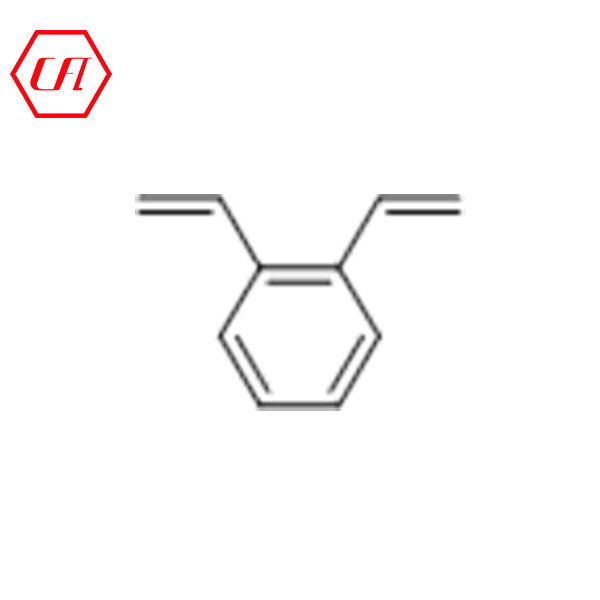
Divinylbenzene (DVB) is a hydrocarbon organic compound and a very useful cross - linking agent. It is widely used in various industries.
| Item | Details |
|---|---|
| Product Name | Divinylbenzene (DVB) |
| CAS No. | 1321 - 74 - 0 |
Cross - linking Agent: DVB is widely used as a cross - linking agent in the production of ion exchange resins, ion exchange membranes, ABS resins, polystyrene resins, unsaturated polyester resins, and synthetic rubbers. It can form a three - dimensional network structure during the polymerization process, improving the mechanical strength, heat resistance, and chemical stability of the polymers.
Raw Material for Resins, Paints, and Special Rubbers: It serves as a raw material for the synthesis of various resins, paints, and special rubbers, providing unique properties to the final products.
Organic Synthesis: With two vinyl groups, DVB can copolymerize to form insoluble and infusible three - dimensional polymers. This property makes it useful in many fields, including wood processing and carbon processing.
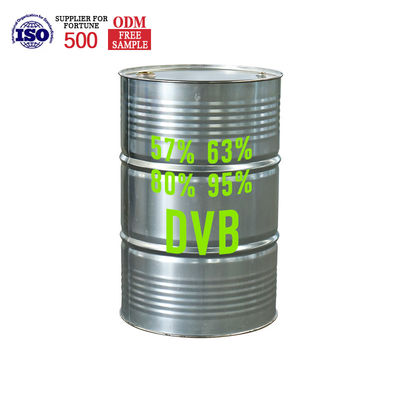
Industrial - grade DVB usually comes in different concentrations such as 57%, 63%, 82%, and 95%. The concentration refers to the mass fraction of the effective DVB component. Lower - concentration DVB (57% and 63%) contains more ethylvinylbenzene, which has better fluidity and is suitable for systems requiring mild cross - linking or dilution. Higher - concentration DVB (82% and 95%) has a stronger cross - linking activity and is used in applications where high cross - linking density is needed, such as high - strength ion exchange resins and special rubbers.
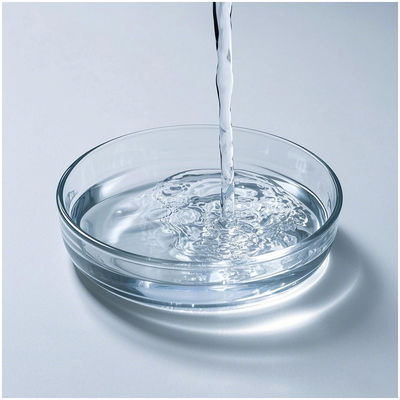
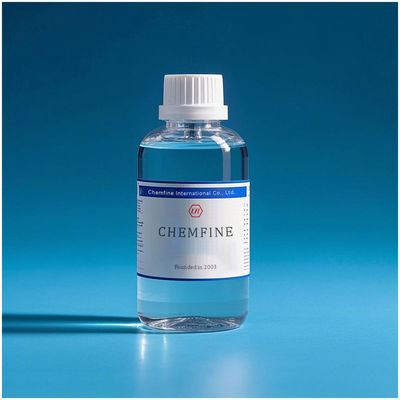
DVB is a colorless to pale - yellow liquid. It is slightly soluble in water and soluble in methanol, ether, and other organic solvents. It has a high reactivity and is prone to free - radical polymerization reactions, especially under the influence of metal ions and heat. The higher the temperature, the faster the polymerization rate. To avoid material consumption due to polymerization, various polymerization inhibitors are often added.
Discover the benefits of DVB for your business. Contact us for more information and a personalized quote.
1. What are the main applications of DVB?
DVB is mainly used as a cross - linking agent in the production of ion exchange resins, ion exchange membranes, ABS resins, polystyrene resins, unsaturated polyester resins, and synthetic rubbers. It is also used as a raw material for resins, paints, and special rubbers, and in organic synthesis.
2. What is the difference between different concentrations of DVB?
Lower - concentration DVB has better fluidity and is suitable for mild cross - linking or dilution. Higher - concentration DVB has stronger cross - linking activity and is used for high - cross - linking - density applications.
3. How to store DVB?
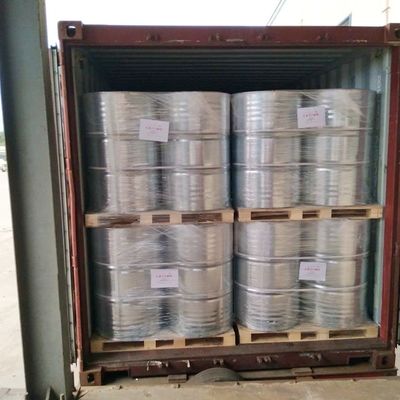
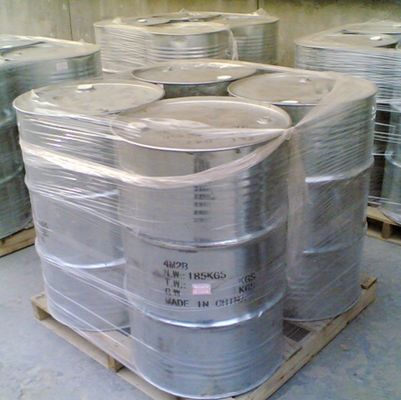
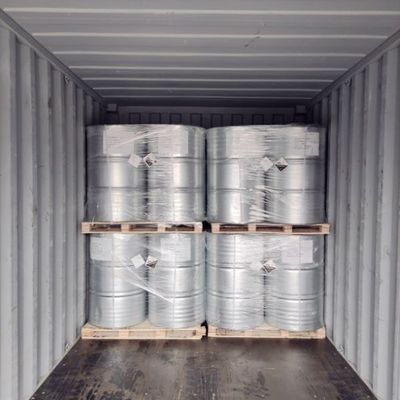
DVB should be stored in a cool, dry, and well - ventilated place, away from heat sources and direct sunlight. Since it is prone to polymerization, it is necessary to add appropriate polymerization inhibitors and follow the storage instructions carefully.
|
| نام تجاری: | Chemfine |
| شماره مدل: | CFI |
| مقدار تولیدی: | 1000 کیلوگرم |
| قیمت: | US $4.0 - 10.0 / Kilogram |
Divinylbenzene (DVB) is a hydrocarbon organic compound and a very useful cross - linking agent. It is widely used in various industries.
| Item | Details |
|---|---|
| Product Name | Divinylbenzene (DVB) |
| CAS No. | 1321 - 74 - 0 |
Cross - linking Agent: DVB is widely used as a cross - linking agent in the production of ion exchange resins, ion exchange membranes, ABS resins, polystyrene resins, unsaturated polyester resins, and synthetic rubbers. It can form a three - dimensional network structure during the polymerization process, improving the mechanical strength, heat resistance, and chemical stability of the polymers.
Raw Material for Resins, Paints, and Special Rubbers: It serves as a raw material for the synthesis of various resins, paints, and special rubbers, providing unique properties to the final products.
Organic Synthesis: With two vinyl groups, DVB can copolymerize to form insoluble and infusible three - dimensional polymers. This property makes it useful in many fields, including wood processing and carbon processing.
Industrial - grade DVB usually comes in different concentrations such as 57%, 63%, 82%, and 95%. The concentration refers to the mass fraction of the effective DVB component. Lower - concentration DVB (57% and 63%) contains more ethylvinylbenzene, which has better fluidity and is suitable for systems requiring mild cross - linking or dilution. Higher - concentration DVB (82% and 95%) has a stronger cross - linking activity and is used in applications where high cross - linking density is needed, such as high - strength ion exchange resins and special rubbers.
DVB is a colorless to pale - yellow liquid. It is slightly soluble in water and soluble in methanol, ether, and other organic solvents. It has a high reactivity and is prone to free - radical polymerization reactions, especially under the influence of metal ions and heat. The higher the temperature, the faster the polymerization rate. To avoid material consumption due to polymerization, various polymerization inhibitors are often added.
Discover the benefits of DVB for your business. Contact us for more information and a personalized quote.
1. What are the main applications of DVB?
DVB is mainly used as a cross - linking agent in the production of ion exchange resins, ion exchange membranes, ABS resins, polystyrene resins, unsaturated polyester resins, and synthetic rubbers. It is also used as a raw material for resins, paints, and special rubbers, and in organic synthesis.
2. What is the difference between different concentrations of DVB?
Lower - concentration DVB has better fluidity and is suitable for mild cross - linking or dilution. Higher - concentration DVB has stronger cross - linking activity and is used for high - cross - linking - density applications.
3. How to store DVB?
DVB should be stored in a cool, dry, and well - ventilated place, away from heat sources and direct sunlight. Since it is prone to polymerization, it is necessary to add appropriate polymerization inhibitors and follow the storage instructions carefully.